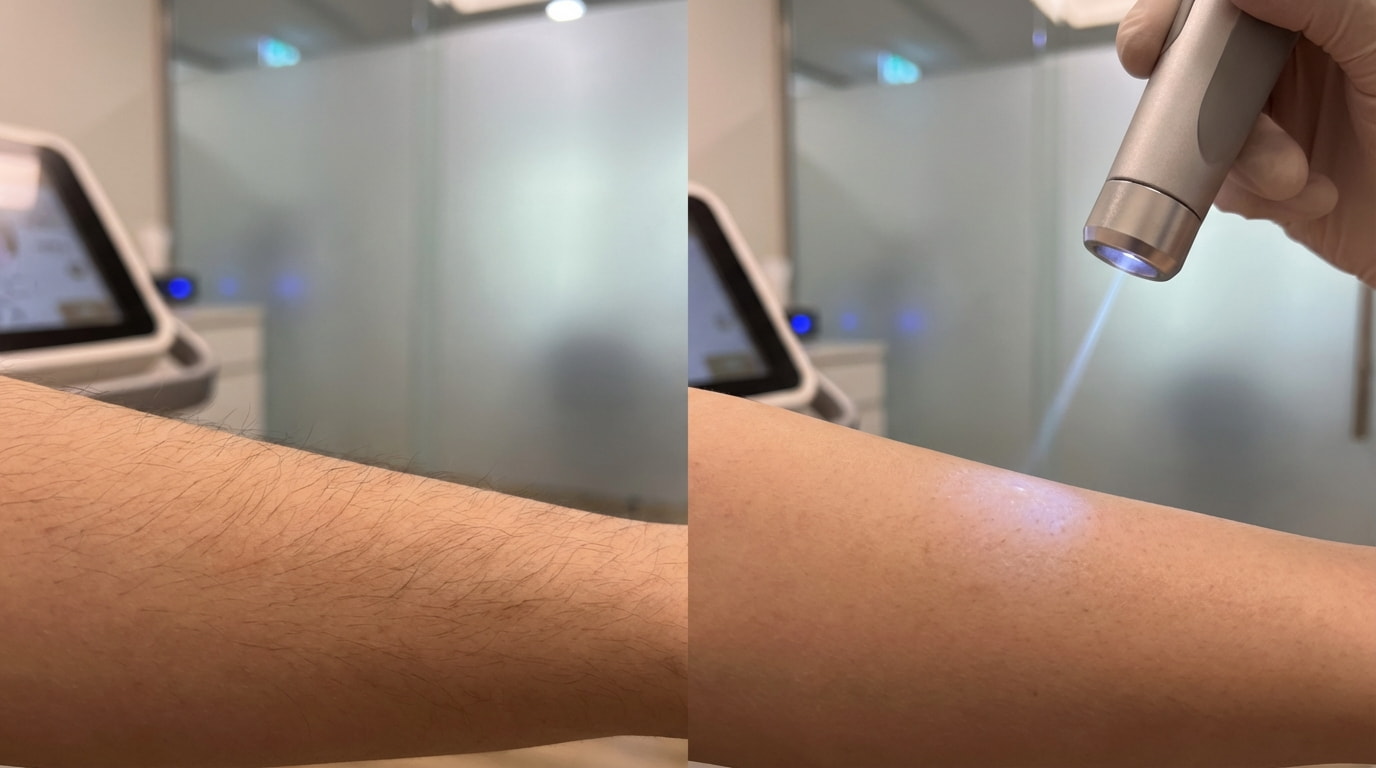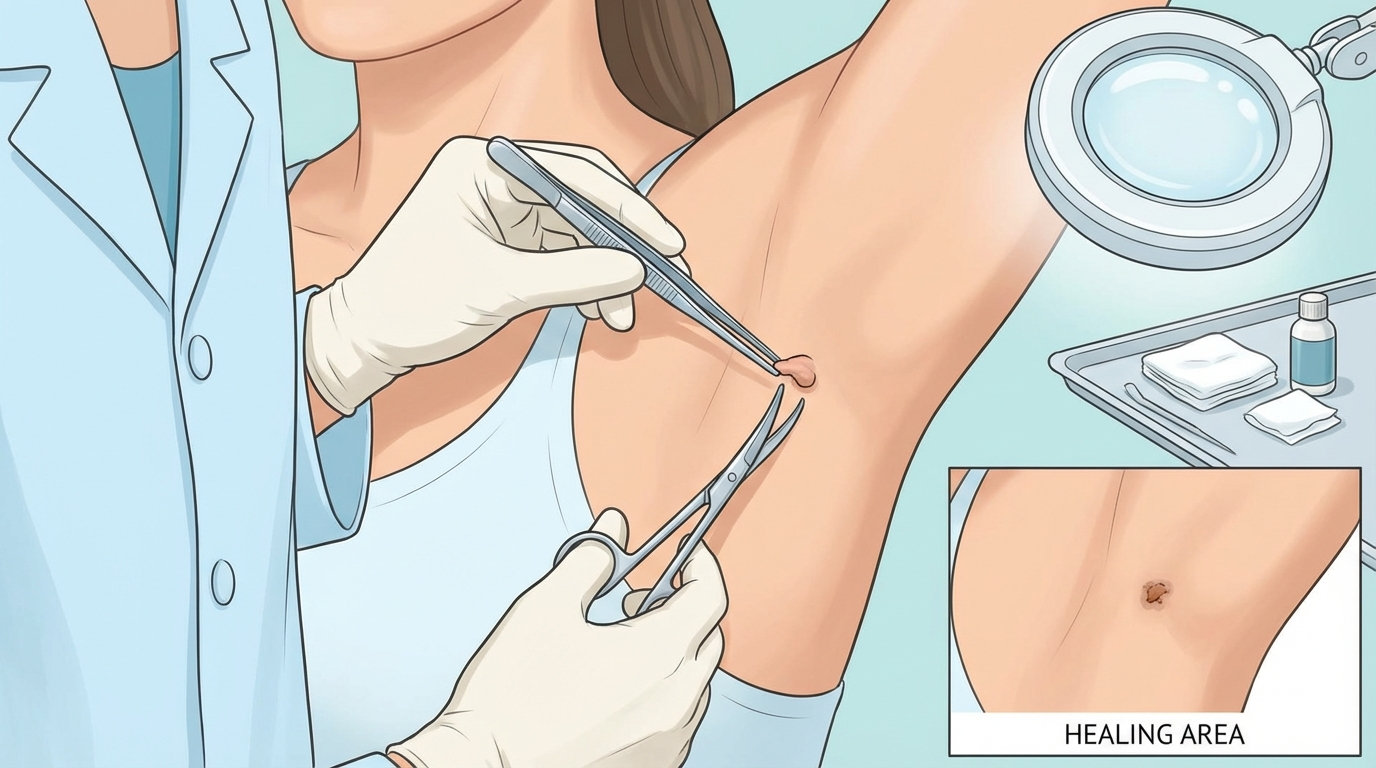


Laser hair removal isn’t an instant permanent fix, but it does deliver impressively long-lasting hair reduction. After completing the full course of treatments (typically 6–8 sessions), most people enjoy smooth, hair-free skin for months to years at a time. In fact, many women find they stay largely hairless for 1–3 years or more before any noticeable regrowth occurs. Any hair that eventually returns is usually very fine and light, so it’s barely visible – often requiring only annual touch-up sessions to stay that way. In practice, some lucky patients see virtually no new hair for 10+ years, while others opt for a quick maintenance visit every year or two to keep skin silky smooth.
Behind the scenes, laser devices target pigment in hair follicles to disable them. Because not all hairs grow at the same time, multiple sessions are needed to catch each hair in its “active” phase. By the end of your treatment plan, about 70–90% of the hairs in the treated area will be gone for good. In real terms, that means the thick majority of hairs won’t regrow, and any survivors are so thin that shaving them off feels like an afterthought. In clinical follow-ups, most patients maintain their laser results indefinitely, experiencing only minimal regrowth of fine hairs.
Why “Permanent” Isn’t the Whole Story
It helps to understand industry terminology. The FDA defines laser hair removal as “permanent hair reduction,” meaning a stable, long-term drop in hair count after treatment. This isn’t the same as “zero hair forever,” but it’s still remarkable: typically a 70–90% decrease in terminal hairs that lasts for years. After your series is done, those remaining fine hairs usually stay dormant. In fact, many people stay satisfied with their results for decades without extra treatments.
However, biology can intervene. Hormonal shifts (pregnancy, menopause, PCOS, thyroid changes, etc.) can wake up dormant follicles, causing new hair to sprout later on. That’s why touch-up sessions are common. Rather than a sign of failure, a yearly or biennial “tune-up” laser treatment is normal for many. Clinics note that most patients eventually come back for one or two quick maintenance sessions every 1–3 years to zap any stray hairs. These follow-ups are typically fast and easy, since only a few hairs need attention.
What to Expect from Your Treatment Course
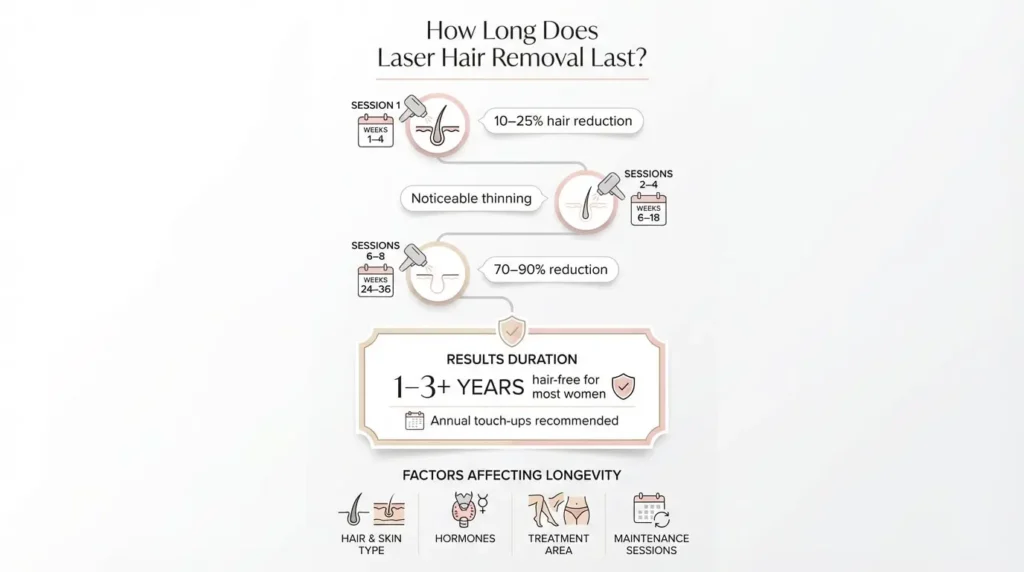
- Number of sessions: Plan on about 6–8 treatments (sometimes more) spaced a few weeks apart. Each session catches follicles in a different growth cycle. Skipping sessions can let hair recover, so consistency is key.
- Interval between sessions: Facial hair grows quicker, so treatments there are often 4–6 weeks apart. Body areas (legs, arms, back) usually wait 6–8 weeks between sessions.
- Results per session: Expect each session to trim away about 10–25% of hair in the treated area. After the first few sessions you’ll already see big differences, and by 4–6 treatments most areas are dramatically smoother.
- Final outcome: After the full series, most clients achieve 70–90% hair reduction. The remaining hairs typically grow much slower and are barely noticeable.
Most people finish their initial treatment course and then only think about laser again when a little fuzz appears a year or two later. In practice, this means smooth skin for years on the body. A legs-or-arms patient might go 3–5 years with almost no regrowth, whereas a chin-or-bikini patient might need an annual touch-up. Overall, laser hair removal is far longer-lasting than waxing or shaving: a single laser session might keep hair away for months, instead of days or weeks.
Factors That Affect Longevity
Several things influence exactly how long your laser results will last:
- Hair & skin color. Lasers target melanin, so dark hair on light skin is ideal. With plenty of pigment in the follicle, the laser can fully disable it. If your hair is blonde, gray, red or white (very little melanin), laser will be much less effective. In those cases hair tends to regrow sooner because the laser simply can’t hit what it can’t see.
- Hormonal status. Conditions like PCOS or hormonal changes in pregnancy/menopause can trigger new hair growth even after laser. Someone with stable hormone levels will typically enjoy longer hair-free intervals.
- Treatment quality. A skilled provider using a high-quality laser can treat more follicles safely in each session. Better equipment and technique mean more follicles destroyed and longer-lasting results. Going to a reputable clinic or dermatologist (instead of a bargain spa) is an investment in longevity.
- Body area. Hair on the legs, arms, bikini area grows more slowly, so it tends to stay away longer than hair on the face, chin, or upper lip, which has a fast growth cycle. In other words, an underarm will often stay smooth for 6–12 months between treatments, while facial hair might start creeping back in about 4–6 months.
- Adherence to schedule. Skipping sessions or waiting too long lets hair regrow and go dormant, making it harder to catch later. Sticking to the recommended schedule (usually 1–2 months apart) maximizes long-term reduction.
Other variables like age, genetics, medication and even stress can play minor roles in hair growth patterns. But overall, hair color, hormones, and how well you follow the treatment plan are the biggest determinants of how smooth you’ll stay.
Maximizing Your Results
To make your results last, follow your provider’s advice carefully. For example, shaving between sessions is actually encouraged – it keeps the skin smooth so the laser can target follicles effectively in the next appointment. (Avoid plucking or waxing, since those remove the follicle entirely and prevent the laser from hitting it.) Exfoliating gently can also help hair shedding after each treatment. Sun exposure should be minimized, and high-factor sunscreen applied to prevent burns.
After completing your sessions, good maintenance habits help keep hair at bay. This typically just means showing up for touch-up visits when your provider recommends. These are usually short and easy (often just one pass of the laser), and many clinics offer discounted maintenance packages. In between professional treatments, you can usually shave or trim any tiny regrowth without worrying about ruining future laser; the laser will happily zap those hairs later when you return.
Key Takeaways
- Laser hair removal provides long-term hair reduction – most people go months or years without needing to shave after finishing a full treatment course.
- Results vary by person and body part. Limbs often stay smooth the longest; hormonal areas like the face or bikini line may need touch-ups more often.
- It’s not usually 100% permanent, but it comes very close. Typically 70–90% of hairs are gone for good, and any survivors are thin and faint.
- Most people complete 6–8 sessions (sometimes more) for best results. Sessions are spaced about 4–8 weeks apart to match your hair growth cycles.
- Occasional maintenance (often 1–2 times a year) is normal to zap stray hairs before they become visible. This keeps your skin smooth without major regrowth.
In summary, while “laser hair removal” isn’t truly permanent in the sense of never seeing another hair, it is a highly effective long-term solution. In my experience and according to numerous studies, properly performed laser treatments let most women ditch the razor for a year or more – often much longer and feel confident and carefree about their skin. With the right care and occasional upkeep, the results are usually worth it for smoother, nearly-hairless skin