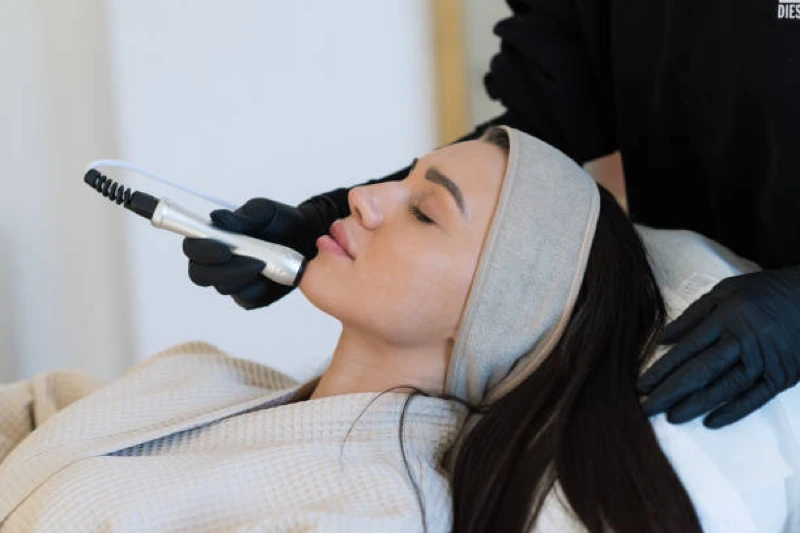
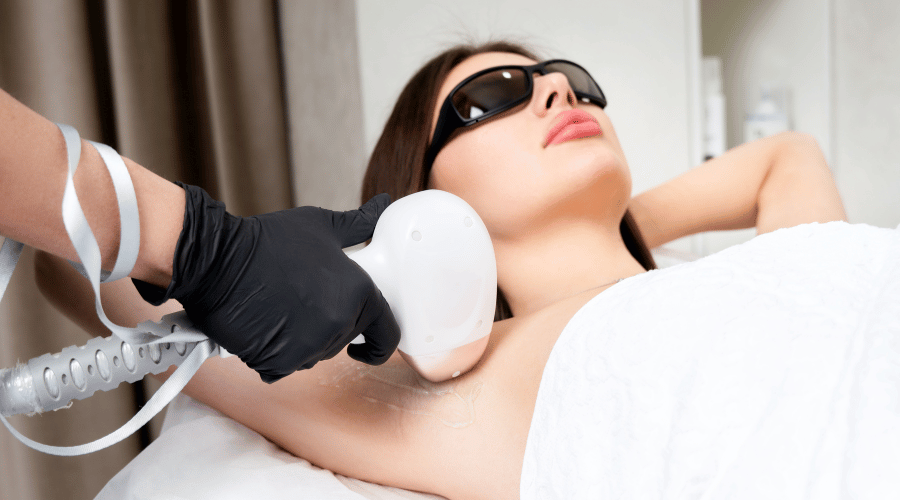
Many health experts advise against getting laser hair removal while you’re pregnant. In fact, no studies have been done to prove it’s safe for pregnant women or their babies. Because of this uncertainty, doctors and reputable clinics generally err on the side of caution and suggest waiting. As one source notes, “many health care providers recommend avoiding laser hair removal during pregnancy because of the lack of information about the effect on the fetus”. In short: it’s usually best to hold off on elective laser treatments until after your baby is born (and often after you finish breastfeeding).
Why You Should Wait
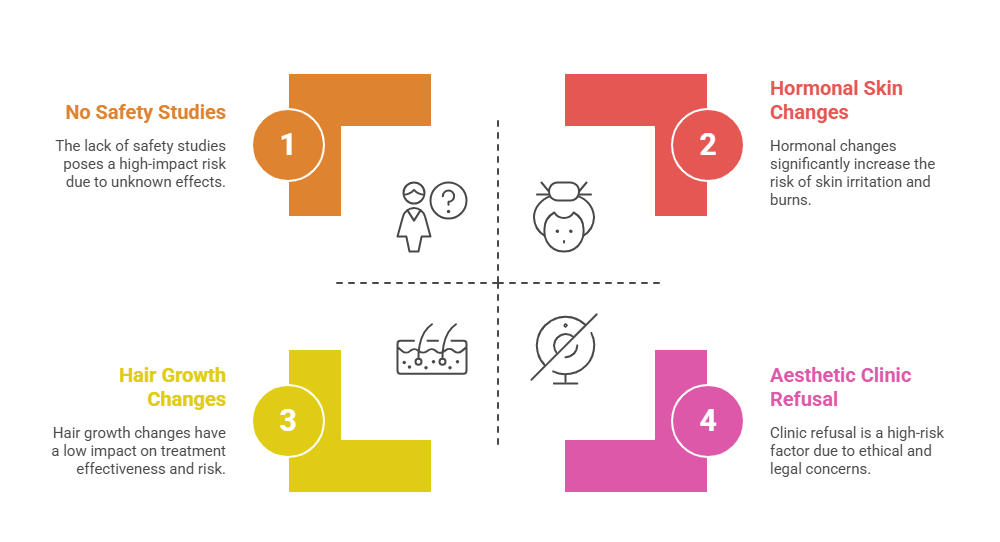
Healthcare professionals point out several reasons to skip laser hair removal when expecting:
- No Safety Studies. There is simply no clinical research showing laser hair removal is safe for pregnant women or their fetuses. Because of this, doctors “err on the side of caution” and advise against it. In fact, aesthetic clinics often refuse treatment once they know a client is pregnant, treating it as a legal/ethical gray area. They’d rather not risk any potential harm or liability, so they “postpone treatment…until after delivery (and sometimes even after breastfeeding)”.
- Hormonal Skin Changes. Pregnancy hormones can make your skin extra sensitive. Increased blood flow and stretching skin (especially on your abdomen and breasts) can make laser pulses feel more painful and raise the chance of irritation or burns. Many women also develop hyperpigmentation (dark patches or melasma) during pregnancy. Lasers work best when there’s a clear contrast between hair color and skin tone. If your skin is darker or uneven, the laser may be less effective and could actually worsen pigmentation issues. In short, pregnancy-related skin changes often make laser treatments riskier or less successful.
- Hair Growth Changes. Pregnancy disrupts the normal hair growth cycle. You may notice more hair in new places because high estrogen levels prolong the growth phase of hair.. This means hairs may grow back even after a session. As one doctor explains, you might remove some hair now only to have new hairs appear a few weeks later, since your hormones are still elevated. In practice, it could take many extra laser sessions to see results, making the treatment process unpredictable.
- Clinic Precautions. Because of the above issues, most laser clinics simply won’t perform the procedure on pregnant clients. They view it as an elective cosmetic treatment that can safely wait. As one laser expert notes, “Aesthetic clinics often refuse to perform laser hair removal on pregnant clients – not because it’s proven dangerous, but because the lack of safety data makes it a…gray area”. In practice, you’ll often be asked to show a doctor’s note or wait until after childbirth to continue treatment.
How Laser Hair Removal Works (and Pregnancy)
Laser hair removal uses pulses of focused light to heat up the pigment in hair follicles, destroying them and reducing future growth. Importantly, this light is non-ionizing radiation, meaning it doesn’t penetrate deep into the body or carry enough energy to alter DNA. In theory, the laser beam itself can’t reach the fetus. However, every pregnancy is different, and the procedure still causes localized heat and mild inflammation. Because no one has tested this on pregnant women, experts recommend being safe: even “if the risk is minimal, experts recommend steering clear of the procedure altogether while pregnant”. In other words, it’s better not to introduce any extra unknowns.
In summary, the equipment itself is unlikely to hurt the baby, but the combination of no research, more sensitive skin, and hormonal changes means most doctors say it’s not worth trying during pregnancy.
Alternatives to Laser Hair Removal While Pregnant
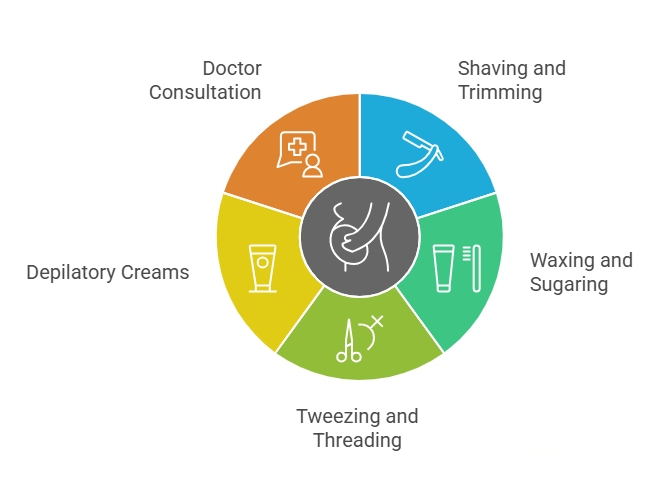
While you’re expecting, you have perfectly good options for managing unwanted hair. The key is to stick to gentler, temporary methods:
- Shaving and trimming. A clean, sharp razor or electric trimmer is safe and simple to use at home. Just keep blades clean to avoid nicks or infection.
- Waxing or sugaring. If you’re used to waxing, continuing is usually fine as long as your skin isn’t burned or irritated. (Check with your provider first if you have any concerns.) Some women actually find waxing easier during pregnancy than messy creams.
- Tweezing or threading. Great for smaller areas like the face, eyebrows, or chin. These are entirely safe pregnancy – no effect on your baby.
- Light depilatory creams. These usually contain chemicals (like calcium thioglycolate) that dissolve hair. There’s no clear evidence they harm unborn babies, but data is limited. If you use them, do a patch test first and ensure good ventilation to avoid odors.
- Talk to your doctor. Before trying any new hair removal method (even shaving), it’s smart to discuss it with your OB-GYN. They can give personalized advice. But rest assured, none of these alternatives carry the unknown risks of lasers.
According to experts, these temporary methods are “generally considered safe during pregnancy”. They may need a bit more effort (or help from a partner for hard-to-reach spots), but they’ll keep you comfortable until you can pick up lasers again.
When Can You Resume Laser Treatments?
The good news is that once your baby is born (and even after you finish breastfeeding), you can usually safely resume laser hair removal. In fact, most clinics won’t even resume treatment until they have a green light from you and your doctor. Your postpartum check-ups are a great time to ask about it. As one health source advises, think of postpartum care as long-term: “Your doctor is the best person to help you decide when your hormones have gotten back to normal and your skin is ready to receive laser treatments”.
In practice, many women wait until a few months after delivery – or until they stop nursing – before restarting lasers. Pregnancy-related skin changes like melasma also tend to fade after birth, making the treatment more effective. Ultimately, the exact timing will depend on your body and doctor’s guidance. But the bottom line is this: laser hair removal can wait until you’re out of the active pregnancy and breastfeeding phase.
Even though handling extra fuzz during pregnancy can be annoying, most of the changes (like increased hair growth or darkening skin) will resolve on their own after childbirth. Until then, stick with safe methods and chat with your doctor. By postponing lasers temporarily, you’ll avoid any potential risks and still achieve the smooth results you want when the time is right.