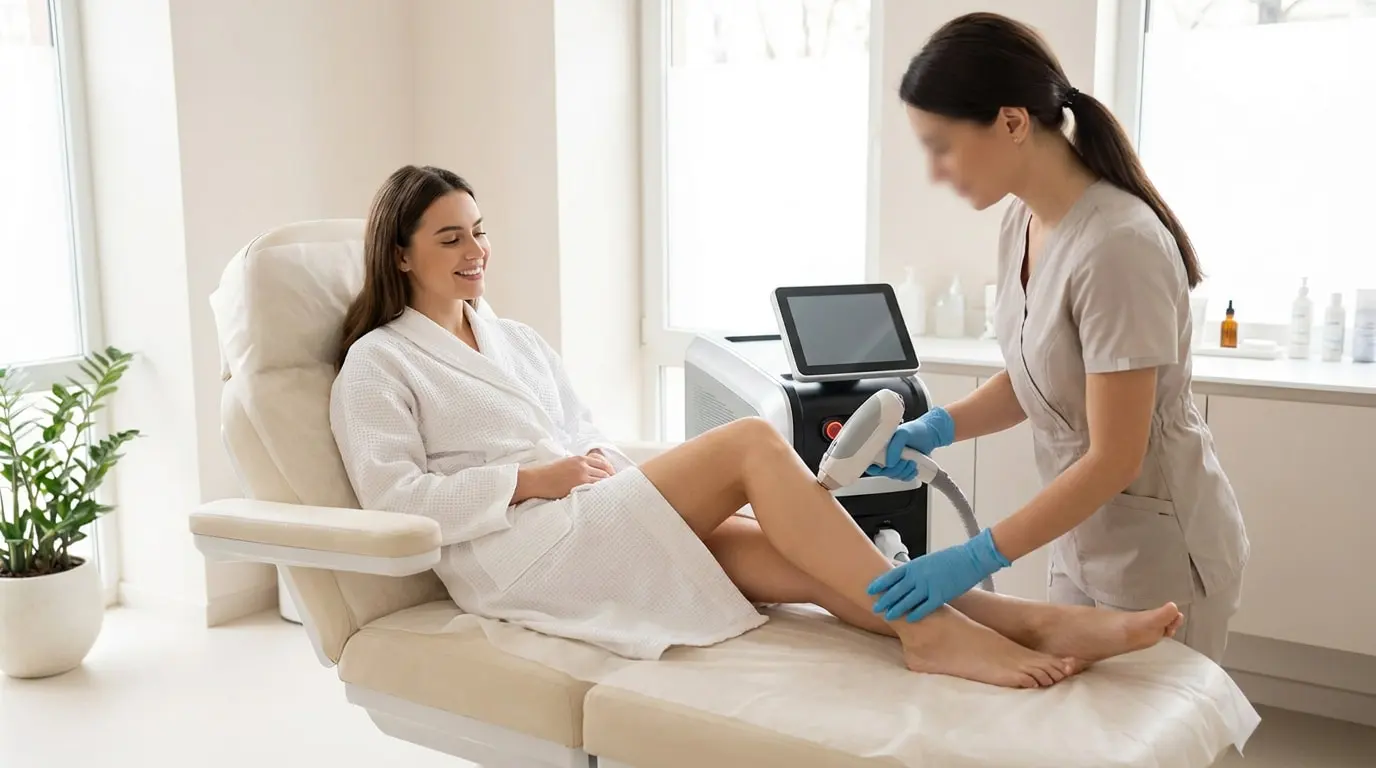


A wellness center is a place dedicated to improving your overall health and well-being – not just fixing illnesses. It takes a holistic approach, meaning it looks at the whole person – “mind, body, and spirit” – rather than treating one symptom. For example, one expert notes a wellness center is “designed to optimize health – not just patch up illness”. Think of it as a one-stop health shop or sanctuary for your body and mind: you might see massage therapists working with personal trainers, or nutritionists teaming up with life coaches, all helping you stay well.
This is more than a regular gym or spa. Wellness centers aim to catch problems early, focusing on prevention so you avoid bigger issues later. In other words, they blend exercise, diet guidance, stress management, and basic medical check-ups into a single program. As one article puts it, a wellness center “blends movement, recovery, mindset, and medical know-how into one seamless plan”. No wonder 8 out of 10 people now rank wellness as a top priority – a wellness center helps you cover all those bases under one roof.
Key Characteristics of Wellness Centers
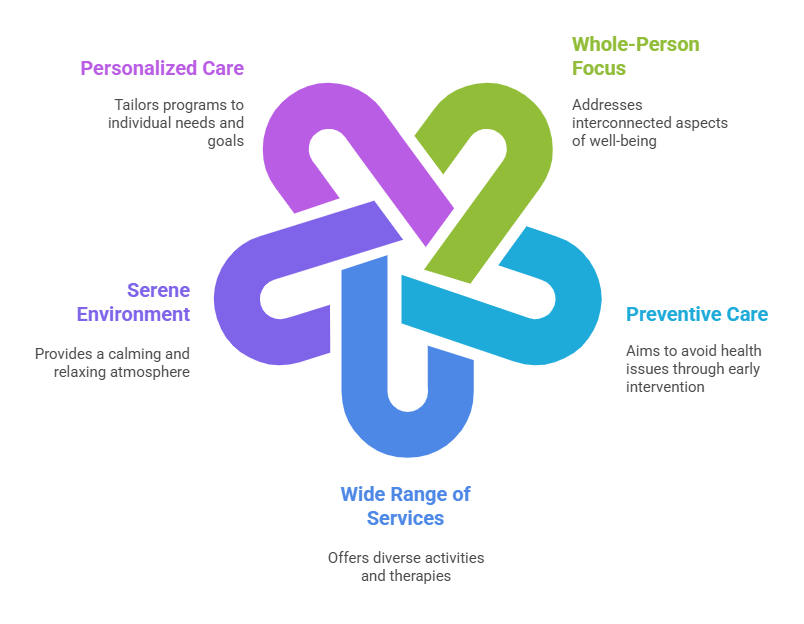
Wellness centers follow a holistic, mind-body approach. They often include mindfulness classes, meditation sessions, or stress-reduction workshops to calm the mind and emotions. This emphasis on mental wellness is key: a center at its core “aims to address the whole person – mind, body, and spirit”, not just one sore muscle or health issue. For example, you might take deep-breathing or yoga classes alongside your gym workout to help reduce anxiety and improve focus.
- Whole-Person Focus: Everything is connected. Staff ask about your exercise, diet, sleep, and stress, not just one symptom. You work on your entire lifestyle.
- Preventive Care: Rather than waiting for you to get sick, wellness centers try to prevent problems. They “catch imbalances early” so you can avoid bigger health issues. Regular check-ins and lifestyle advice help spot warning signs before they become serious.
- Wide Range of Services: Under one roof you’ll find many offerings – from workouts and yoga classes to nutrition counseling and therapeutic treatments. By mixing different therapies and activities, these centers cover all sides of wellness.
- Serene Environment: Unlike busy hospitals or noisy gyms, wellness centers usually have a calm, relaxing atmosphere. Think soft lighting, spa music, and friendly coaches. This soothing setting makes it easier to focus on your health and reduce stress.
- Personalized Care: Programs are tailored to you. Professionals create an individualized plan based on your goals and needs (no “one-size-fits-all” solutions). As one clinic explains, they design customized programs to get to the root of your symptoms and keep you feeling your best.
Services Offered at Wellness Centers
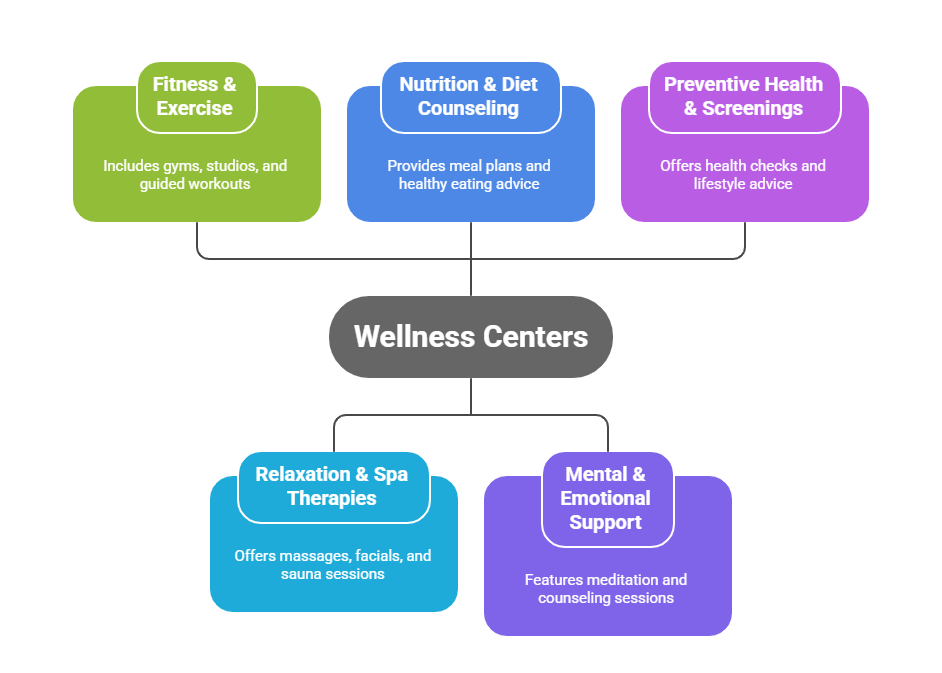
Wellness centers offer a broad mix of services – basically everything you need to boost health. You might walk into a spa-like treatment room and book a massage or acupuncture session to melt away stress and ease muscle tension. At the same time, there could be a nutrition station or kitchen where dietitians give healthy-eating tips and meal plans. Counseling or life-coaching might happen in quiet rooms designed for conversation and relaxation. The goal is to address all parts of health in one place – fitness, nutrition, relaxation, and even basic medical check-ups.
- Fitness & Exercise: Many centers include gyms or studios. You could take yoga, Pilates, dance, or spinning classes, or lift weights. Certified trainers or physiotherapists often guide your workouts. (For example, some centers “combine gym memberships with physiotherapy, nutrition coaching, and recovery zones” like saunas or cryotherapy.)
- Relaxation & Spa Therapies: Services like massages, facials, acupuncture, or sauna sessions are common. These help reduce pain and stress while you unwind. Some centers feel like a day spa, complete with essential oils and calm lighting for ultimate relaxation.
- Nutrition & Diet Counseling: Many wellness centers have on-site nutritionists or dietitians. They work with you on meal plans, weight management, and healthy-eating habits. You might attend cooking classes or get personalized diet advice to fuel your body better.
- Mental & Emotional Support: Look for meditation and mindfulness classes, stress-management workshops, or even counseling sessions. These activities support your mental health. For instance, guided meditation or breathing exercises can help clear the mind and improve focus. Emotional well-being is treated as importantly as physical fitness.
- Preventive Health & Screenings: Some centers offer basic health checks – like blood pressure monitoring, lab tests, or hormone assessments – to catch issues early. They may also include nurse practitioners or holistic doctors who give lifestyle-based medical advice. This preventive angle helps keep you healthy in the long run.
In addition to these services, wellness centers usually have a proper fitness area or gym. You might use cardio machines, free weights, or join a group circuit-training session there. Many centers blend this workout component with expertise: personal trainers or coaches customize exercise plans for your body and goals. Some even include advanced recovery tools like infrared saunas, steam rooms or cryotherapy chambers to help your muscles heal faster. In short, a wellness center’s gym is not just about burning calories – it’s about building strength and mobility in a way that fits your overall health plan.
Who Can Benefit from a Wellness Center?
Almost anyone looking to improve their health can benefit. Whether you’re dealing with chronic pain, recovering from an injury, managing stress at work, or simply aiming to feel more energized, a wellness center can tailor a plan for you. For instance, if you have high blood pressure, you might work on exercise and diet while also learning relaxation techniques. If you’re stressed and tired, you might take yoga or meditation classes and get stress-management coaching. Even healthy people go to these centers to keep themselves on track and learn better habits.
Programs are personalized – there’s no “one-size-fits-all”. As one center notes, its team of professionals creates an individualized plan based on your goals and current symptoms. In short, from busy professionals to seniors to anyone wanting to be proactive about health, a wellness center offers tools and support for a wide range of needs.